
In This Guide
- Why the Lehenga Deserves Its Own Photography Plan
- Capturing the Details: Embroidery, Beading, and Fabric
- Movement Shots: Letting the Lehenga Dance
- The Getting-Ready Moment
- Lighting for Rich Colours and Metallic Threads
- Poses That Showcase the Full Lehenga
- Frequently Asked Questions
Why the Lehenga Deserves Its Own Photography Plan
A bridal lehenga is not just an outfit. It is often the single most expensive garment a bride will ever wear, and for many families, selecting it is one of the most emotional parts of the wedding planning process. Indian brides spend months — sometimes a full year — choosing their lehenga. South Asian Bride features stunning lehenga collections each season for inspiration. Brides fly to India or visit specialized bridal boutiques, agonize over every colour swatch, and invest anywhere from $2,000 to $20,000 or more on this one piece.
And yet, I have seen too many wedding albums where the lehenga is barely visible. The photographer captured the couple standing together, sure, but the intricate embroidery, the way the dupatta falls, the hand-stitched zardozi work — all of that gets lost. That is a failure, plain and simple.
As someone who has photographed dozens of Indian weddings, I treat the lehenga as a subject in its own right. It gets dedicated shooting time, specific lighting considerations, and a variety of angles designed to showcase its full beauty. In fact, I build lehenga photography into every Indian wedding timeline I plan.
Average Indian Wedding in Canada$100,000+WeddingWire Canada, 2025
Capturing the Details: Embroidery, Beading, and Fabric
The magic of a bridal lehenga lives in its details. The threadwork, the mirror work, the sequins, the stones — these are the elements that make a lehenga unique. However, capturing these details requires deliberate technique. You cannot just point a camera at a lehenga and expect the embroidery to show up beautifully. The angle, the light, and the distance all matter enormously.
The Flat Lay
Before the bride puts on the lehenga, I lay it out on a clean, neutral surface — a bed covered in white linen works perfectly — and photograph it from directly above. This shows the full scope of the design, the colour palette, and the craftsmanship. I add complementary elements: the jewelry, the juttis (traditional shoes), perhaps the wedding invitation or a small maang tikka. This creates a lifestyle flat lay that is both beautiful and informative.
Macro Details
Using a macro or close-up lens, I photograph the individual embroidery patterns, the fabric texture, and any hand-stitched elements. Zardozi work, gota patti borders, kundan stones — each of these tells a story about the artisan who created the lehenga. Moreover, these close-up shots give the bride a way to remember details she might not be able to see once she is wearing the garment.
Photographer Tip
For macro detail shots, use a shallow depth of field (f/2.8 to f/4) and side lighting. This creates dimension in the embroidery, making raised threads and beadwork pop off the fabric rather than looking flat.
The Dupatta and Border
The dupatta (veil/scarf) and the border of the skirt are often the most intricately designed elements. I photograph the dupatta draped over a surface to show its full pattern, and I capture the skirt border in detail — often the heaviest embroidery is concentrated along the bottom edge. These are the details that brides and their mothers care about most.
Movement Shots: Letting the Lehenga Dance
A lehenga was designed to move. The way it flares when the bride twirls, the way the fabric catches the light as she walks, the way the dupatta floats in the wind — these are the moments that take a lehenga from a beautiful garment to a breathtaking photograph.
I always build in time for movement shots during the portrait session. I ask the bride to walk slowly toward me, then twirl. I shoot at a high shutter speed (1/800 or faster) to freeze the fabric in motion, while keeping the background slightly soft. The result is a dynamic, editorial-quality image that shows the full volume and flow of the lehenga.
A lehenga in motion is ten times more captivating than a lehenga standing still. Every twirl reveals new details, new colours, new dimensions.
For outdoor shoots, even a gentle breeze becomes an asset. Edmonton’s river valley trail system provides stunning natural backdrops for lehenga portraits. The dupatta lifts naturally, the skirt sways, and the entire composition comes alive. As a result, I often recommend doing at least some portraits outdoors, even if the ceremony is indoors.
The Baraat Entrance
When the bride makes her entrance to the mandap — especially at Sikh and Hindu ceremonies — the lehenga is on full display. I position myself to capture a full-length shot as she walks down the aisle, with the fabric trailing behind her. The expressions on guests’ faces as they see the bride in her full bridal look add emotional depth to these images.
The Getting-Ready Moment
The moment a bride puts on her lehenga is one of the most intimate and emotional moments of the entire wedding. Her mother helps with the dupatta. Her sisters adjust the jewelry. There is usually crying — the happy kind. These candid moments are gold for the album.
I shoot the getting-ready phase with a documentary approach. No posing, no direction — just quiet observation. The contrast between the ornate lehenga and the intimate, personal nature of putting it on creates a beautiful tension in the images. The bride’s expression when she sees herself in the mirror for the first time in the full ensemble — that is a moment you will look at for the rest of your life.
Photographer Tip
Ask the bride to get ready near the largest window in the room. Natural window light during the getting-ready phase is flattering, soft, and creates beautiful shadows that add depth to the images. Avoid overhead room lights — they cast unflattering shadows and give a yellow cast to the fabric.
Lighting for Rich Colours and Metallic Threads
Lighting a lehenga properly is critical. The wrong light can make a deep maroon look muddy, or turn gold threadwork into a flat yellow blob. On the other hand, the right light makes every colour sing and every metallic thread sparkle.
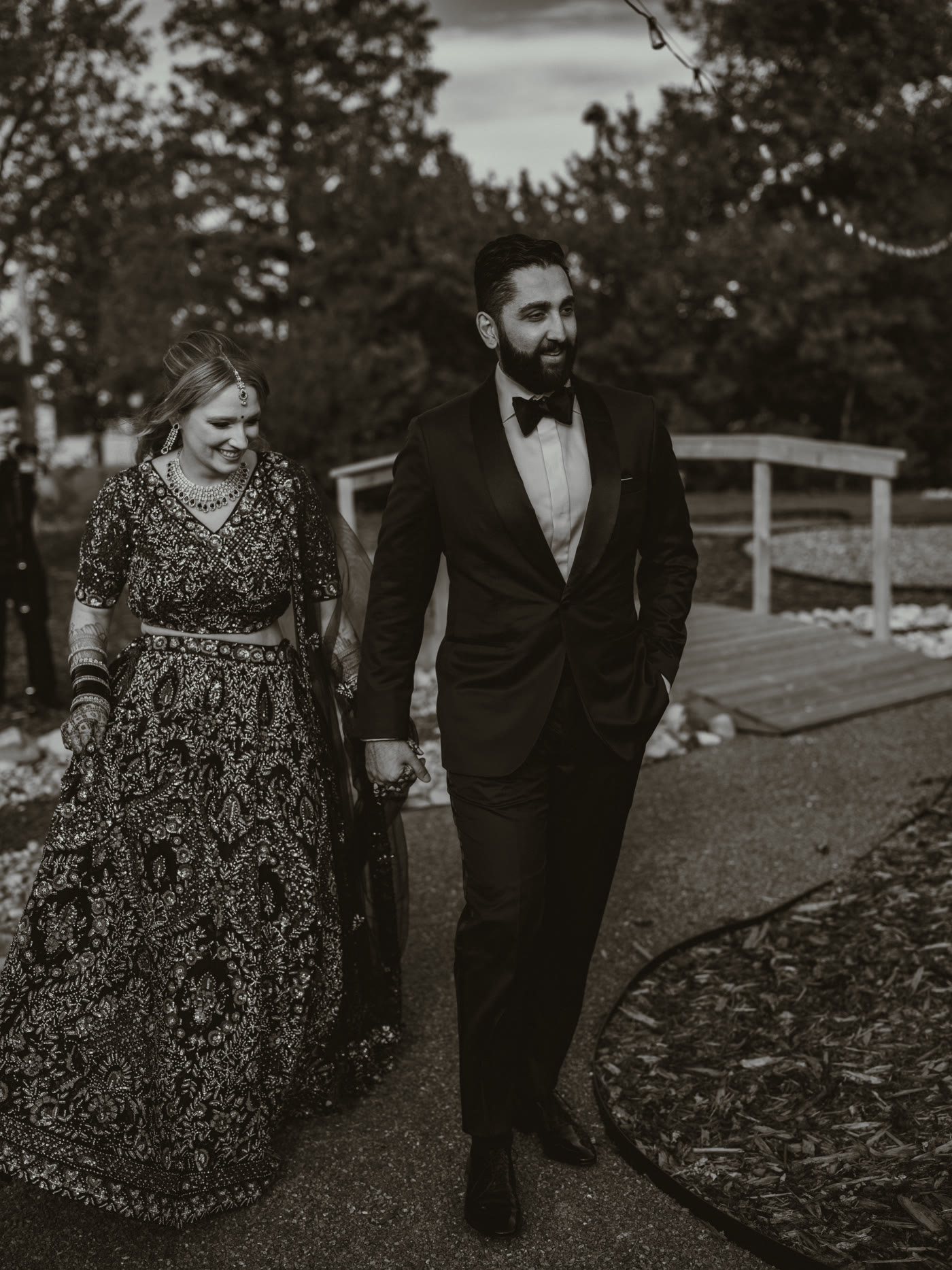
Natural light is almost always my first choice for lehenga photography. Golden hour — the hour before sunset — is ideal because the warm tones complement the rich colours of most lehengas. The low angle of the sun also creates natural highlights on metallic embroidery, making it literally glow.
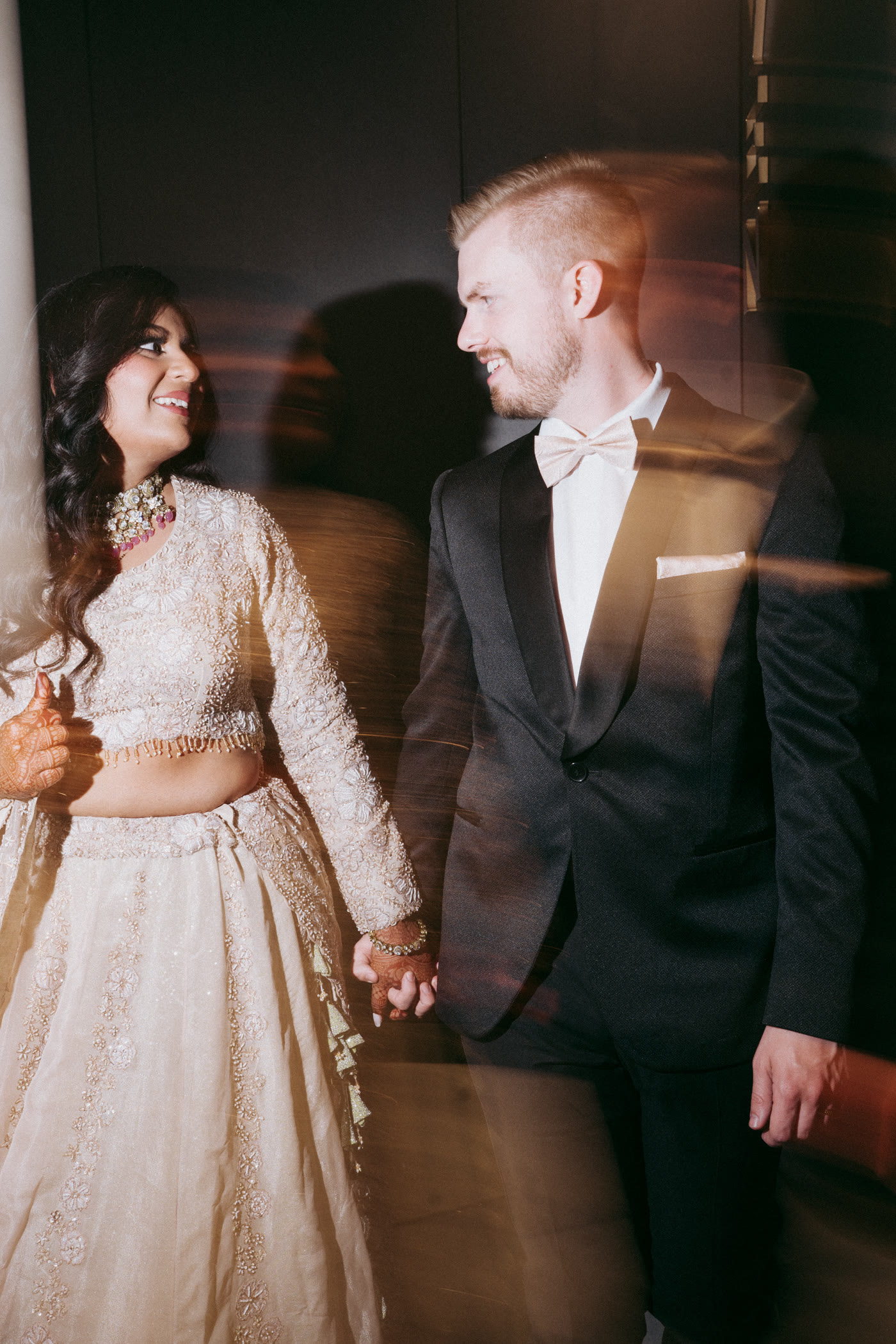
For indoor ceremonies and receptions, I use off-camera flash with modifiers to create directional light that mimics golden hour. A large softbox at 45 degrees creates beautiful dimension, and a second light behind the bride can add a subtle rim light that separates her from the background and highlights the dupatta edge.
Lighting Scenario Best Approach Watch Out For
Golden hour outdoors Backlight the bride, expose for face Lens flare (can be beautiful or distracting)
Overcast day Even, soft light — great for colour accuracy Flat-looking metallic threads; add flash for sparkle
Indoor ceremony (mandap) Off-camera flash with diffuser, high ISO Mixed colour temperatures from venue lights
Hotel getting-ready room Window light, position bride 3-4 feet from window Overhead room lights (turn them off)
Evening reception Two off-camera flashes, gel to match venue DJ lights causing colour casts on fabric
Poses That Showcase the Full Lehenga
Not every pose shows the lehenga well. Here are the approaches I use consistently to ensure the full garment gets its moment:
- The full-length portrait. A straight-on, full-body shot with the skirt fanned out shows the entire design. I shoot from a slightly low angle to add grandeur.
- The staircase shot. If the venue has a grand staircase, this is a gift. The lehenga cascades down the steps, showing the full trail and border.
- The over-the-shoulder look. The bride glances back over her shoulder, revealing the back design of the blouse and the dupatta draping.
- The seated portrait. The bride sits with the lehenga arranged around her, showing the full spread of the skirt. This works beautifully on ornate chairs or low divans.
- The walking shot. A candid moment of the bride walking, with the fabric in natural motion. Shoot from the side to show the silhouette.
- The twirl. The bride spins, the skirt flares out, and the photographer freezes the moment. This is the showstopper shot.
Key Takeaways
- A bridal lehenga deserves dedicated photography time — build it into the timeline
- Capture flat lays and macro details before the bride dresses
- Movement shots (twirls, walking, wind) showcase the lehenga far better than static poses
- Golden hour is ideal for rich colours and metallic sparkle; avoid harsh overhead light
- The getting-ready moment and first mirror reveal are among the most treasured images
Want Your Lehenga Photographed Beautifully? I have spent years perfecting the art of lehenga photography for Indian brides in Edmonton. Your lehenga tells a story — let us make sure that story is captured in every stitch and fold. Reach out and let us plan your session. Book Your Session
Frequently Asked Questions
How much time should we set aside for lehenga photos? I recommend at least 20 to 30 minutes for dedicated lehenga portraits, separate from the general getting-ready coverage. This includes flat lay detail shots before dressing, the getting-ready sequence, and a brief portrait session once the full look is complete. For brides who want editorial-style lehenga images, I suggest 45 minutes.
Should I bring a steamer for my lehenga on the wedding day? Absolutely. Lehengas travel in garment bags and inevitably develop wrinkles. A garment steamer on the wedding morning is essential — wrinkles are visible in photographs and can detract from the beautiful embroidery. Most bridal suites have steamers available, but bring your own to be safe.
Can you capture both my lehenga and my reception gown? Of course. Many Indian brides change into a Western gown or a different outfit for the reception. I treat each outfit as its own mini portrait session. We build in time during the outfit change for fresh portraits, ensuring both looks are documented beautifully in the album.
Do you photograph the lehenga before I put it on? Yes, always. The flat lay and detail shots are among the most popular images in Indian wedding albums. I photograph the lehenga laid out with complementary accessories — jewelry, shoes, makeup, invitation — creating a beautiful lifestyle composition that tells the full bridal story.
What if my ceremony is indoors with poor lighting? Indoor venues are very common for Indian weddings, and I come prepared. I bring professional off-camera flash with diffusers that create soft, directional light mimicking window light. The goal is to preserve the rich colours of the lehenga while keeping the ambient mood of the venue intact. You will not notice the flash — but you will notice how beautiful the colours look.
See real lehenga photography in my Indian wedding gallery. Or explore packages and pricing for your celebration.