In This Guide
- Why Multi-Cultural Weddings Are Growing in Edmonton
- Blending Traditions Without Losing Identity
- The Photography Approach: Two Ceremonies, One Story
- Building a Realistic Timeline
- Best Edmonton Venues for Multi-Cultural Celebrations
- Practical Tips for Couples
- Frequently Asked Questions
Why Multi-Cultural Weddings Are Growing in Edmonton
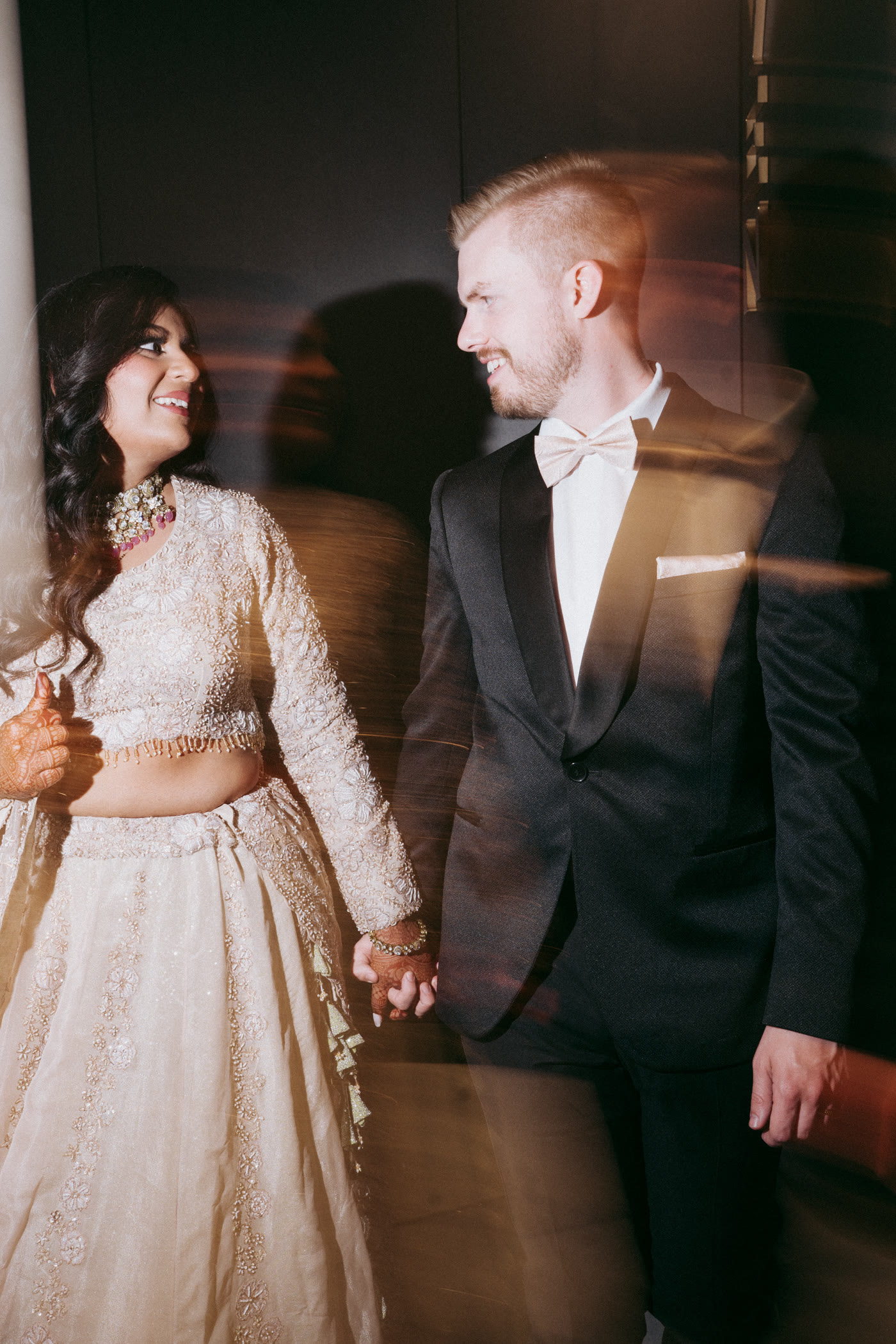
Edmonton has always been a city that brings people together. However, in the last decade, something beautiful has been happening in the wedding industry here. More and more couples are blending two — sometimes three — cultural traditions into a single celebration. I have photographed Hindu-Catholic ceremonies, Sikh-Chinese fusion receptions, and Nigerian-Ukrainian weddings that left every guest in tears of joy.
According to Statistics Canada, roughly 1 in 5 marriages in major Canadian cities now involve partners from different cultural or religious backgrounds. In fact, that number is even higher in diverse cities like Edmonton, Toronto, and Vancouver. The result is a new kind of wedding — one that honours both families while creating something entirely original.
For a photographer, these celebrations are deeply rewarding. They are also complex. You cannot approach a multi-cultural wedding the same way you would a single-tradition event. The ceremonies move differently, the emotional beats happen at different moments, and the expectations from both families can be quite distinct. Moreover, the details — from the bride’s outfit changes to the symbolic rituals — require someone who has done the homework.
| Stat | Figure | Source |
|---|---|---|
| Canadian Couples Who Rank Photography #1 | 34% | The Knot Global Report, 2025 |
| Average Canadian Wedding Budget | $39,000 | WeddingWire Canada, 2025 |
Blending Traditions Without Losing Identity
The biggest concern I hear from couples planning a multi-cultural wedding is this: “How do we honour both sides without it feeling like two separate events taped together?” It is a valid worry. And the answer, in my experience, comes down to intentionality.
For example, I recently photographed a wedding where the bride’s family is Punjabi Sikh and the groom’s family is Italian Catholic. They held the Anand Karaj ceremony in the morning at the Gurdwara, followed by a Catholic blessing in the afternoon at a beautiful chapel. The reception blended bhangra and tarantella. The food featured both butter chicken and homemade pasta. It was glorious.
The key was that neither tradition was treated as secondary. Both ceremonies received full coverage, full respect, and full energy. As a result, both families felt seen. That is the goal — not a compromise, but a celebration of both.
Photographer Tip
Before the wedding day, sit down with both families — separately if needed — and ask which moments are non-negotiable for them. For a Hindu family, that might be the mangal pheras. For a Western family, it might be the father-daughter dance. Knowing these priorities ensures nothing is missed.
Common Multi-Cultural Combinations in Edmonton
| Combination | Key Ceremonies | Typical Duration |
|---|---|---|
| Hindu + Christian | Mandap ceremony + Church blessing or full mass | 2 days |
| Sikh + Western | Anand Karaj + Western-style reception with vows | 1-2 days |
| Muslim + Hindu | Nikah + Hindu ceremony elements | 2-3 days |
| South Asian + East Asian | Indian ceremony + Chinese tea ceremony | 2 days |
| Filipino + Indian | Catholic mass + Indian reception traditions | 1-2 days |
The Photography Approach: Two Ceremonies, One Story
Here is what I have learned after photographing dozens of multi-cultural weddings: the album needs to tell one cohesive story. Not “Part 1: The Indian Wedding” and “Part 2: The Western Wedding.” It should flow naturally, showing how two traditions wove together into one love story.
To achieve this, I look for visual threads that connect both ceremonies. The couple’s expressions during their vows — whether spoken under a mandap or at an altar — carry the same emotion. The parents’ tears are universal. The laughter during speeches transcends language. These are the connective tissues of the album.
In addition, I pay close attention to the details that bridge both cultures. The invitation suite that features both scripts. The table settings that incorporate elements from both traditions. The bride’s outfit change — perhaps a lehenga for the Indian ceremony and a white gown for the Western reception. These transitions are beautiful storytelling opportunities.
A multi-cultural wedding is not about choosing between traditions. It is about proving that love is the one tradition every culture shares.
Outfit Changes and How to Plan Them
Most multi-cultural brides plan at least two outfit changes. Some plan three or four. This is exciting, but it requires careful planning. Each outfit tells a different part of the story, and I want to capture each one properly — not in a rushed five-minute window between events.
I recommend building in at least 30 to 45 minutes between ceremonies for the outfit change. This gives us time for a proper portrait session in the new look, which you will be grateful for when you see the album. Moreover, it gives the bride a moment to breathe and reset before the next phase of the celebration.
Photographer Tip
Ask your photographer to bring a portable light kit for outfit-change portraits. Hotel rooms and dressing areas often have terrible lighting, and a quick two-light setup can make those in-between moments look editorial.
Building a Realistic Timeline
If there is one thing that can make or break a multi-cultural wedding, it is the timeline. I cannot stress this enough. Two ceremonies, multiple outfit changes, family photos from both sides, and potentially two different venues — all of this takes time. Rushing through it dishonours both traditions and stresses everyone out.
Here is a realistic timeline framework for a two-ceremony day:
| Time | Event | Photography Notes |
|---|---|---|
| 8:00 AM | Getting ready (Ceremony 1 attire) | Detail shots, bridal prep, family candids |
| 10:00 AM | Ceremony 1 (e.g., Anand Karaj or Hindu ceremony) | Full ceremony coverage, 60-90 min |
| 11:30 AM | Family portraits (both sides) | Structured family groupings, 30 min |
| 12:00 PM | Lunch break + outfit change | Detail shots of new outfit, 45 min buffer |
| 1:30 PM | Couple portraits | Both outfits if possible, 30-45 min |
| 3:00 PM | Ceremony 2 (e.g., Western/church) | Full ceremony coverage, 45-60 min |
| 4:30 PM | Cocktail hour | Guest candids, venue details |
| 5:30 PM | Reception | Speeches, dances, party coverage |
Of course, every wedding is different. Some couples spread their celebrations across two days, which gives everyone more breathing room. I offer dedicated multi-day packages specifically for celebrations that span more than one day.
Best Edmonton Venues for Multi-Cultural Celebrations
Not every venue can accommodate two ceremonies in one day. You need a space that is flexible enough to transform between traditions, large enough for the combined guest list, and accommodating of different religious requirements.
The Fairmont Hotel Macdonald is a stunning option for couples who want old-world elegance that works beautifully for both Western and South Asian aesthetics. Explore Edmonton also highlights many culturally versatile event spaces across the city. The ballroom can be transformed dramatically between ceremony styles.
For couples who prefer a more rustic, outdoor feel, Willow Lane Barn near Edmonton offers a charming barn setting. On the other hand, if you are planning a larger celebration with 300+ guests — as many Indian families need — the larger banquet halls in south Edmonton provide the space and flexibility required.
Photographer Tip
When touring venues, bring your photographer. We notice things couples miss — like where the natural light falls during ceremony hours, whether the mandap area has enough overhead clearance, and where the best angles are for each setup.
Practical Tips for Couples Planning a Multi-Cultural Wedding
- Start planning early. Multi-cultural weddings have more moving parts. Give yourselves at least 14 to 18 months.
- Hire a culturally experienced photographer. Someone who has photographed both traditions understands the flow and the key moments of each. Ask to see full galleries from similar weddings.
- Communicate with both families. Meet separately with each side to understand their priorities and non-negotiable traditions.
- Book a planner who has multi-cultural experience. A coordinator who has managed blended celebrations will save you enormous stress.
- Build in buffer time. Transitions between ceremonies, outfit changes, and venue moves always take longer than expected.
- Create a unified design language. Choose colours, florals, and decor elements that bridge both aesthetics.
| Stat | Figure | Source |
|---|---|---|
| Average Indian Wedding in Canada | $100,000+ | WeddingWire Canada, 2025 |
Key Takeaways
- Multi-cultural weddings require a photographer who understands both traditions deeply
- Build a timeline with generous buffer time between ceremonies and outfit changes
- Neither tradition should feel secondary — give each ceremony full coverage and respect
- Choose venues that are flexible enough to transform between ceremony styles
- The album should tell one unified love story, not two separate events
Planning a Multi-Cultural Wedding in Edmonton? I would love to hear about how your traditions are coming together. Whether it is a Hindu-Christian celebration or a Sikh-Western fusion, let us chat about capturing every meaningful moment. Reach out anytime. Start the Conversation
Frequently Asked Questions
How many photographers do you bring to a multi-cultural wedding? For multi-cultural weddings, I always recommend a two-photographer team as a minimum. With two ceremonies happening — sometimes simultaneously at different venues for the groom’s and bride’s sides — having a second shooter ensures nothing is missed. For larger celebrations with 300+ guests, a third photographer or dedicated videographer is worth considering.
Do you need to understand both religions to photograph the wedding? Absolutely. Understanding the significance of each ritual is essential for anticipating moments and positioning correctly. I invest time before every multi-cultural wedding learning or refreshing my knowledge of both traditions. I also have a pre-wedding meeting with both families to walk through the ceremony order and key moments.
Can you handle two ceremonies in one day? Yes, and I have done it many times. The key is a well-built timeline with proper buffer periods. I typically recommend starting the first ceremony by 10:00 AM if the reception runs into the evening. Two-day celebrations are also an excellent option that gives both ceremonies more breathing room.
How do you handle different dress codes or outfit changes? I build in dedicated portrait time for each outfit. Most multi-cultural brides change 2 to 4 times, and each look deserves its own portrait session — even a brief one. I coordinate with the bride’s attendants to ensure smooth transitions and always have a portable lighting setup ready for dressing room portraits.
What is the cost for multi-cultural wedding photography? Multi-cultural weddings typically require more coverage hours and often span multiple days. My multi-day packages start with full-day coverage and include a second photographer. I provide custom quotes based on your specific celebration structure. Visit my pricing page for starting rates.
Explore my Indian wedding gallery and wedding photography portfolio to see real multi-cultural celebrations.